


Verizon ThingSpace
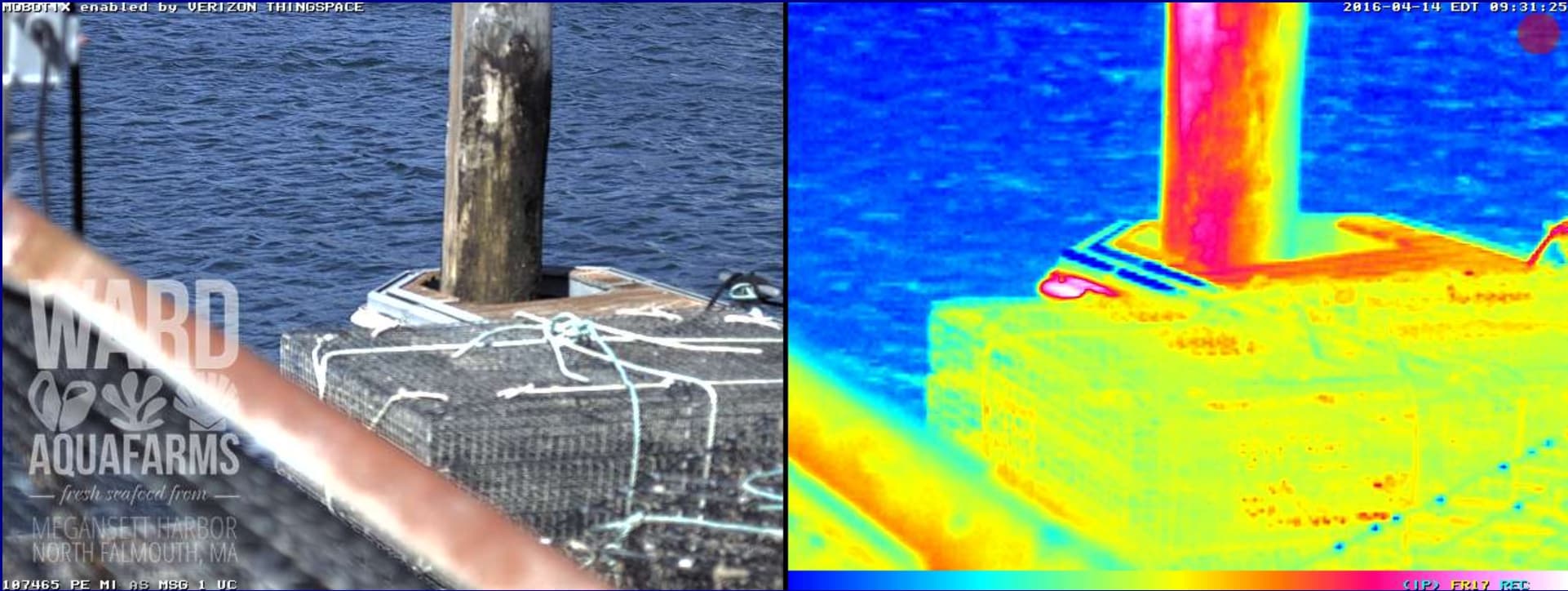
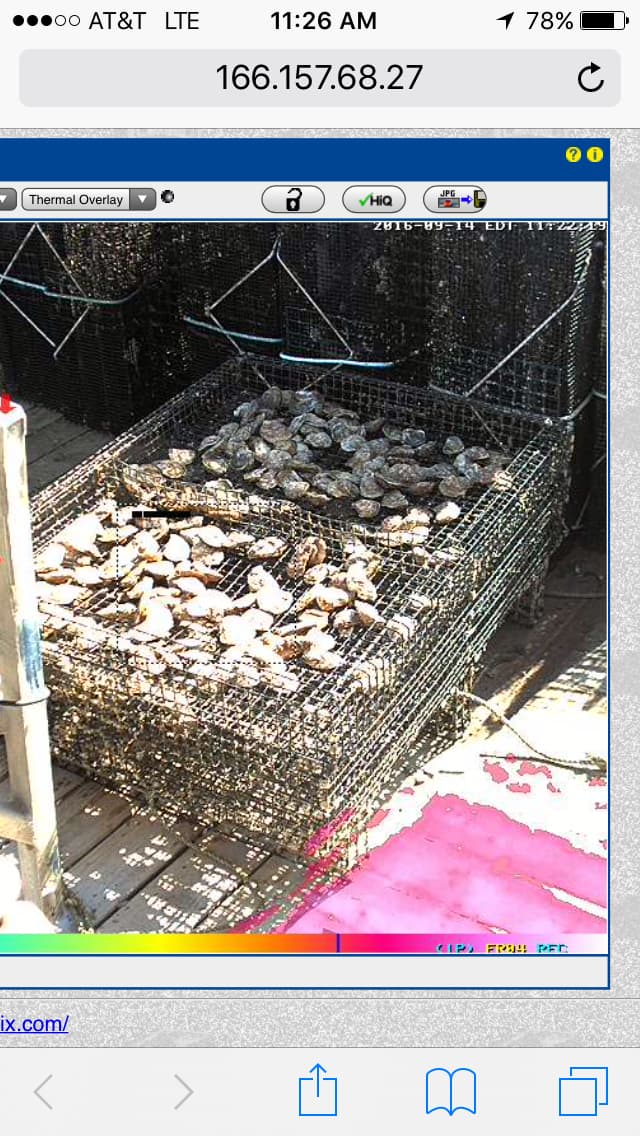
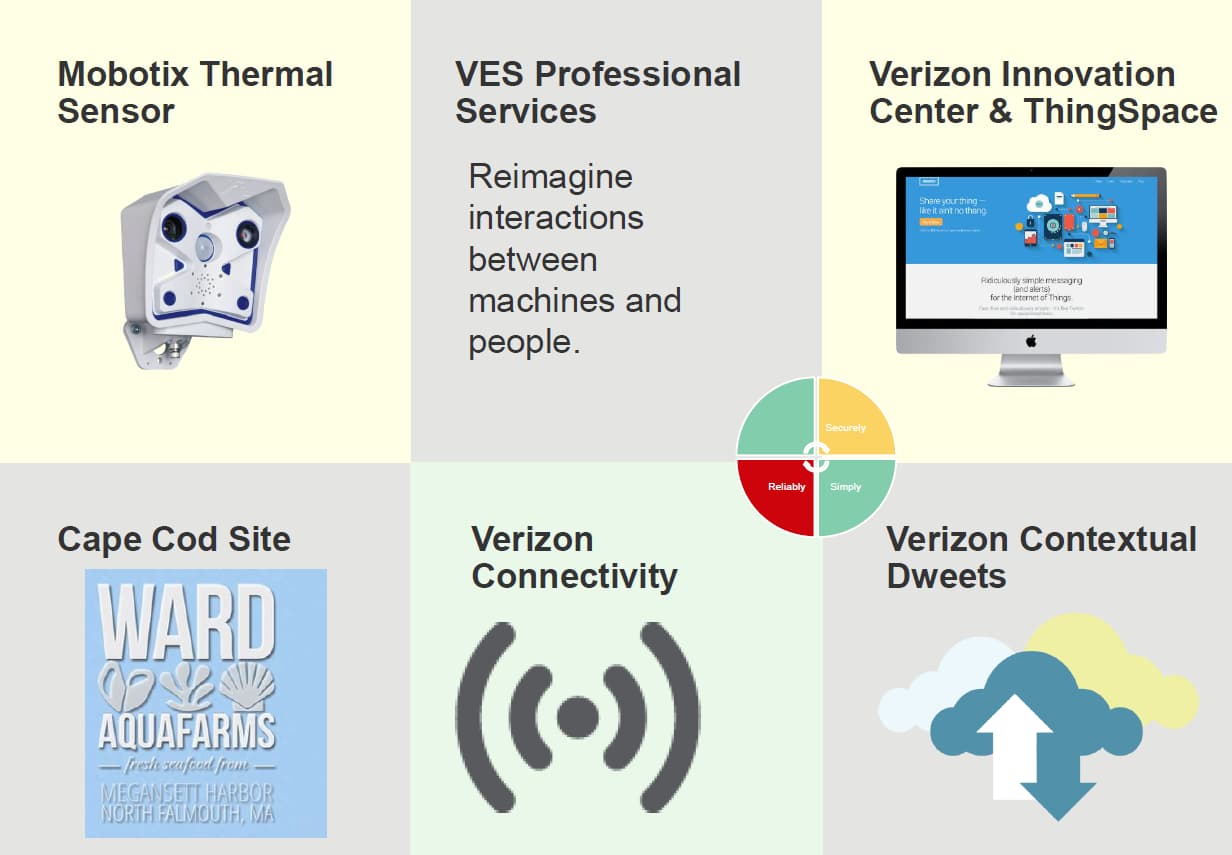
Farming for Oysters: Ward Aquafarms, a 10 acre, 1,000 cage aquaculture farm located in Cape Cod, Massachusetts is dedicated to growing the freshest oysters possible. Verizon, in collaboration with systems manufacturer Mobotix AG, has enhanced Ward's ability to monitor the safety of its Oyster harvest-to-bag process and predict growth. Ward was able to onboard with ThingSpace and be up and running on the platform in under an hour, pulling satellite imaging data, combined with other complex data such as environmental & sub tidal water temperature, chlorophyll values, etc. to be analyzed and contextualized using Verizon Pro Services for valuable insights for Ward's aqua farming operations.
HereLab
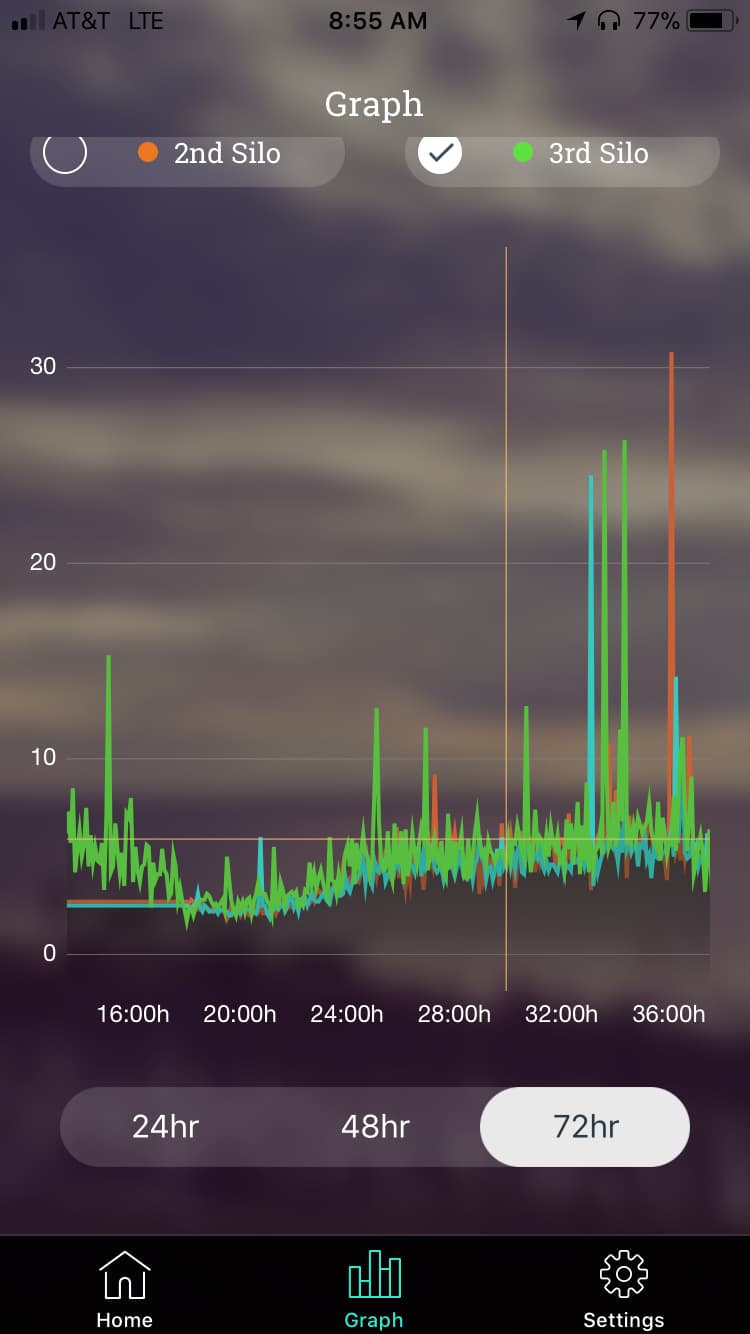
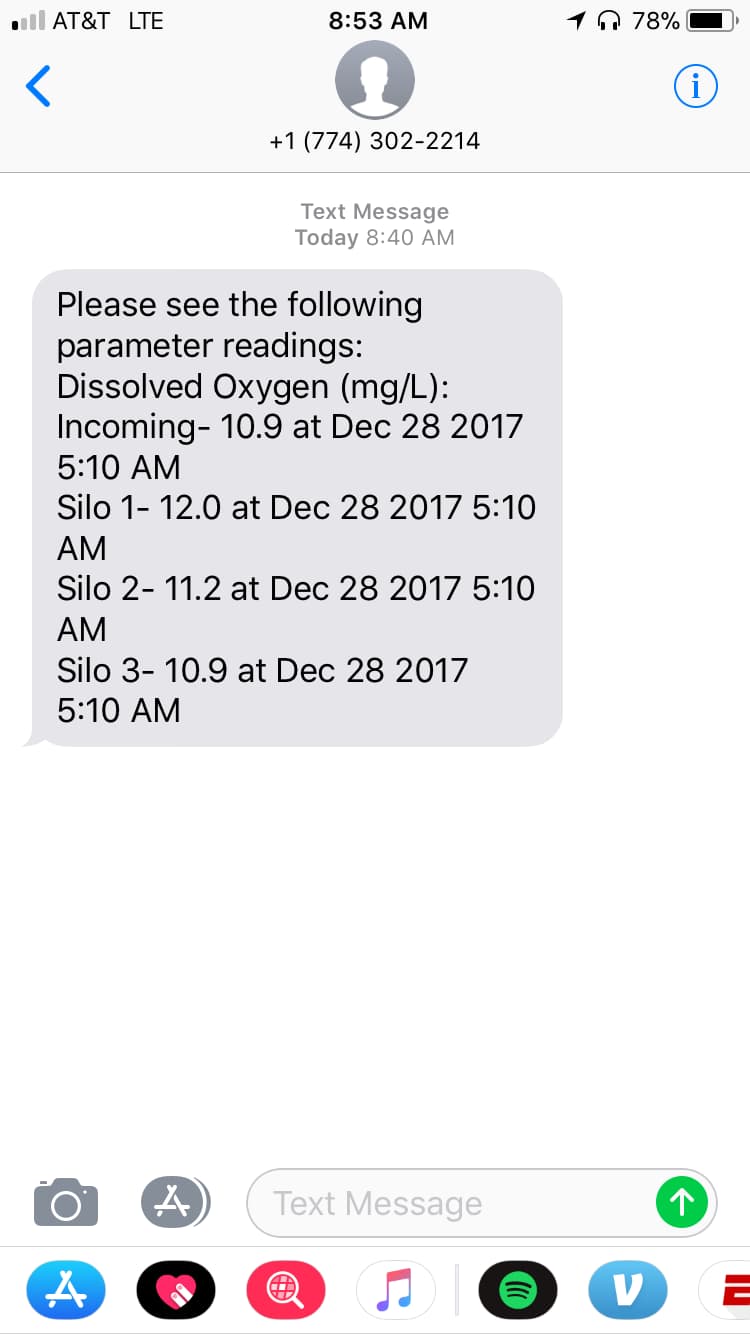
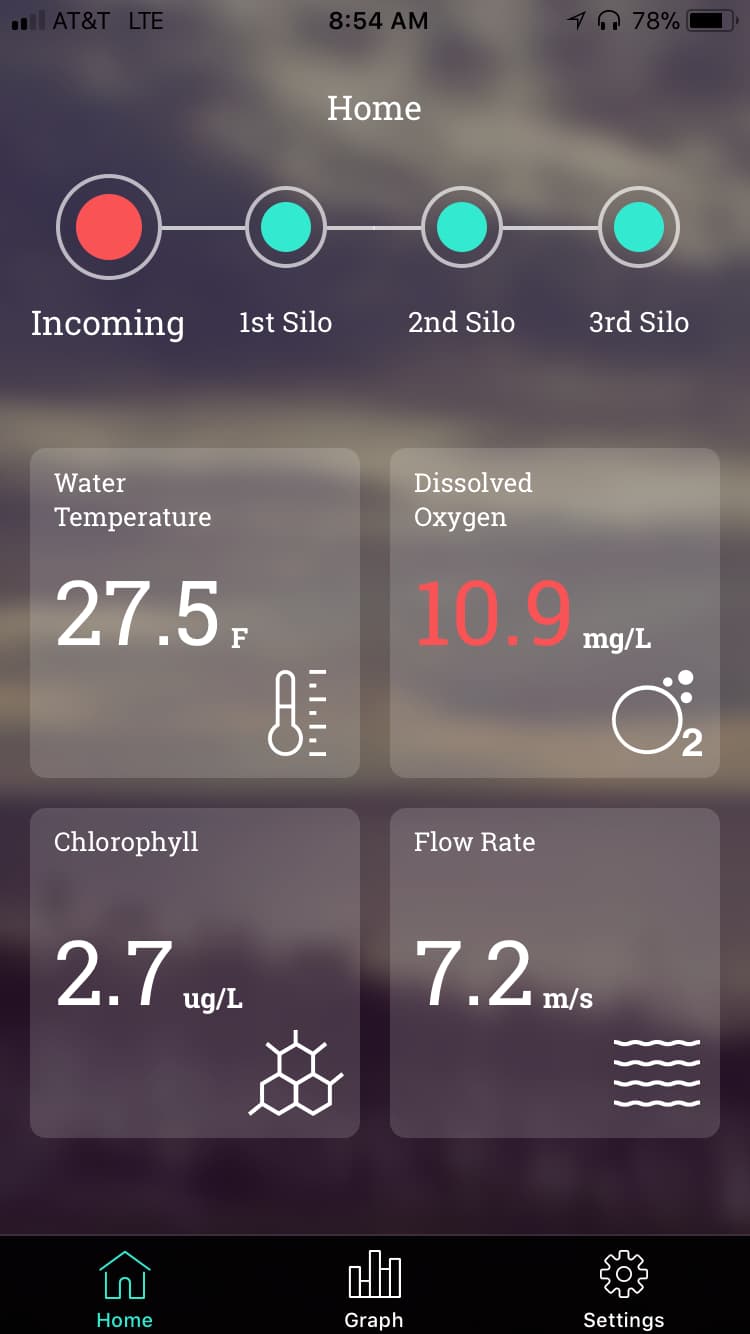
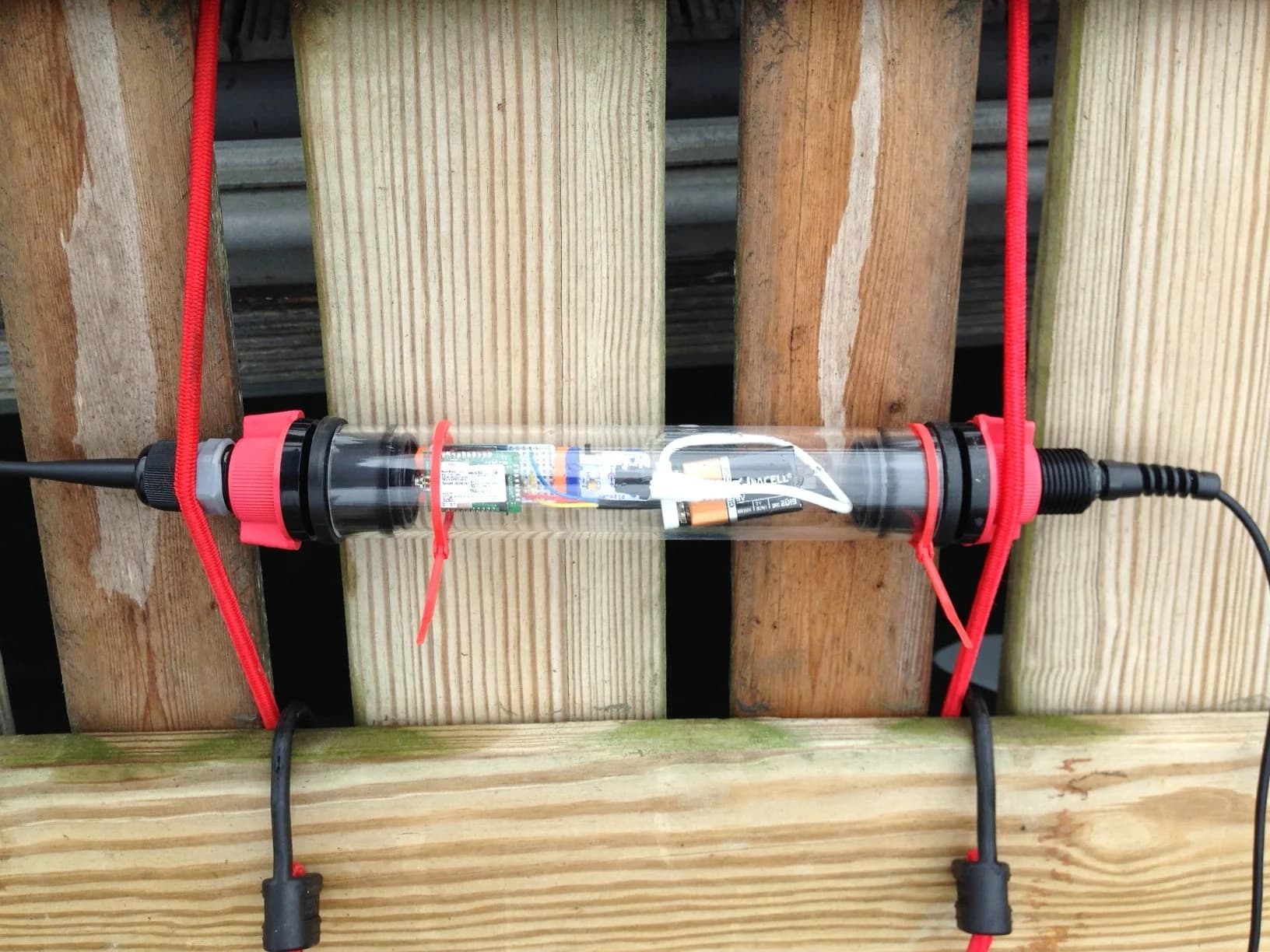
We have partnered with HereLab on Martha’s Vineyard, to equip our farm growout area, and our nursery sites, with low-cost, real-time environmental sensors, utilizing a LoRa network. As we increase the number of sensors on the farm, we can develop a real-time understanding of temperature, dissolved oxygen, salinity, depth as well as many other aspects of the farm. Having a better understanding of our environment, will allow us to increase our productivity, improve survival and growth by modifying stocking densities, as well as helping to identify upcoming stressors on the farm such as harmful algae blooms or low dissolved oxygen events. The goal of this project is to develop the technology, and share the open-source capabilities with farms, municipalities, and other stakeholders in the coastal zone that would like to better understand our dynamic ecosystems. HereLab is a nonprofit, public good IoT organization.
We establish free to use, public wireless network for IoT devices for sensors, actuators & communications applications. HereLab is part systems architect and part social change agency. As systems architect, we design and structure pilots and deployments around an integrated approach to data design, retrieval and publication. As social change organization we bind this integrated approach to local educational, organizational, municipal and business concerns. We use LoRaWAN technologies (long range, low power, long battery life), to enable researchers, environmentalists, municipalities, entrepreneurs and students to make and deploy sensors. Our nonproprietary services include sensor design, network provisioning, data storage, analysis and web-based visualization. We believe open, real-time and historical data (for built space, social and natural environments) can give all constituents and community members tools and processes for greater social awareness and increased civic responsibility.
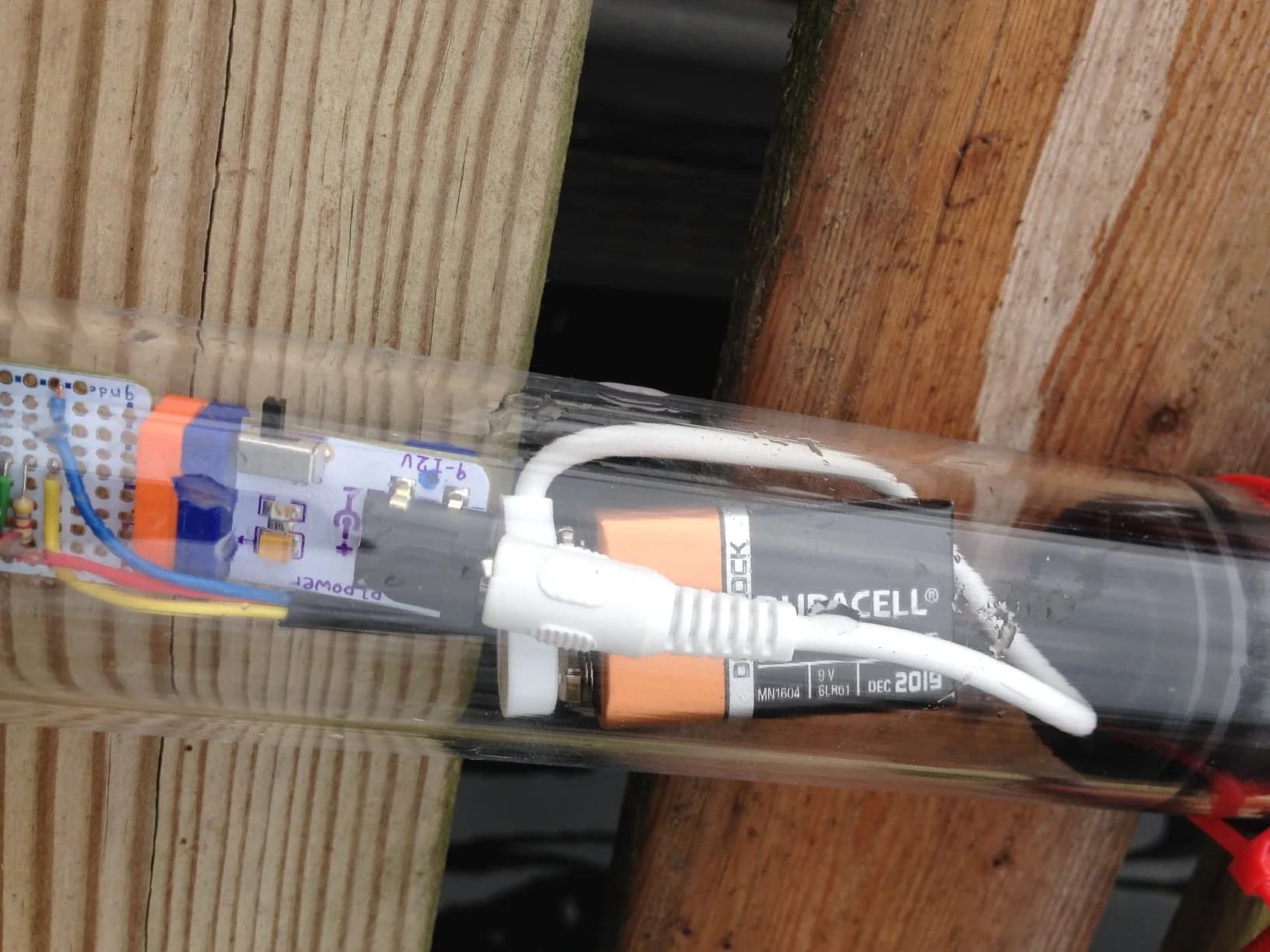
LoRaWAN is an emerging standard embraced by many technology and communications companies, large and small. It enables two-way, low power requirement, Long Range (LoRa) wide area networks (WAN) based on gateways which look similar to a home WiFi gateway, but that offer line of sight communication ranges up to several kilometers, including through buildings. LoRa communications are optimized for small packet transmissions (and not, for instance, streaming video), enabling theoretically more than 3,000 nodes to be serviced by one gateway. The gateways are connected to the internet via local ethernet connection or cellular modem, and can be powered by local 120V plugs or solar arrays. Node radios in the field can be easily connected to sensors and actuators, and programmed for operating cycles to be very energy efficient. For example, a sensor array attached to a radio and microprocessor might be programmed to spend 99% of its time “sleeping” in low energy mode, and then “wake” on regular intervals to take measurements, send data to the LoRaWAN gateway, and then return to sleep. Thus, multiple sensors could be run for very long periods of time (1 year or more) on small, low cost, easily available batteries. For security, LoRaWAN communications send information in encrypted channels between node and gateway, and then can employ a variety of enhanced security methods for transmission to communications brokers or storage over the internet. Once to the internet, data from a number of sensors can be integrated with other data sources to facilitate powerful analytics or predictive modeling