

Shellfish seed availability is limited across New England in the spring, precisely when growers need it most. The constraint is structural: there are only a handful of hatcheries in the region, and each is limited by the cost and footprint of producing the live microalgae that broodstock, larvae, and post-set seed require. Because all of that feed must be grown on site, the amount of algae a hatchery can produce per unit of floor space sets a hard ceiling on how much seed it can supply. With support from USDA Northeast SARE and the Northeast Regional Aquaculture Center (NRAC), Ward Aquafarms undertook a study to evaluate whether an alternative class of microalgae could relieve that bottleneck.
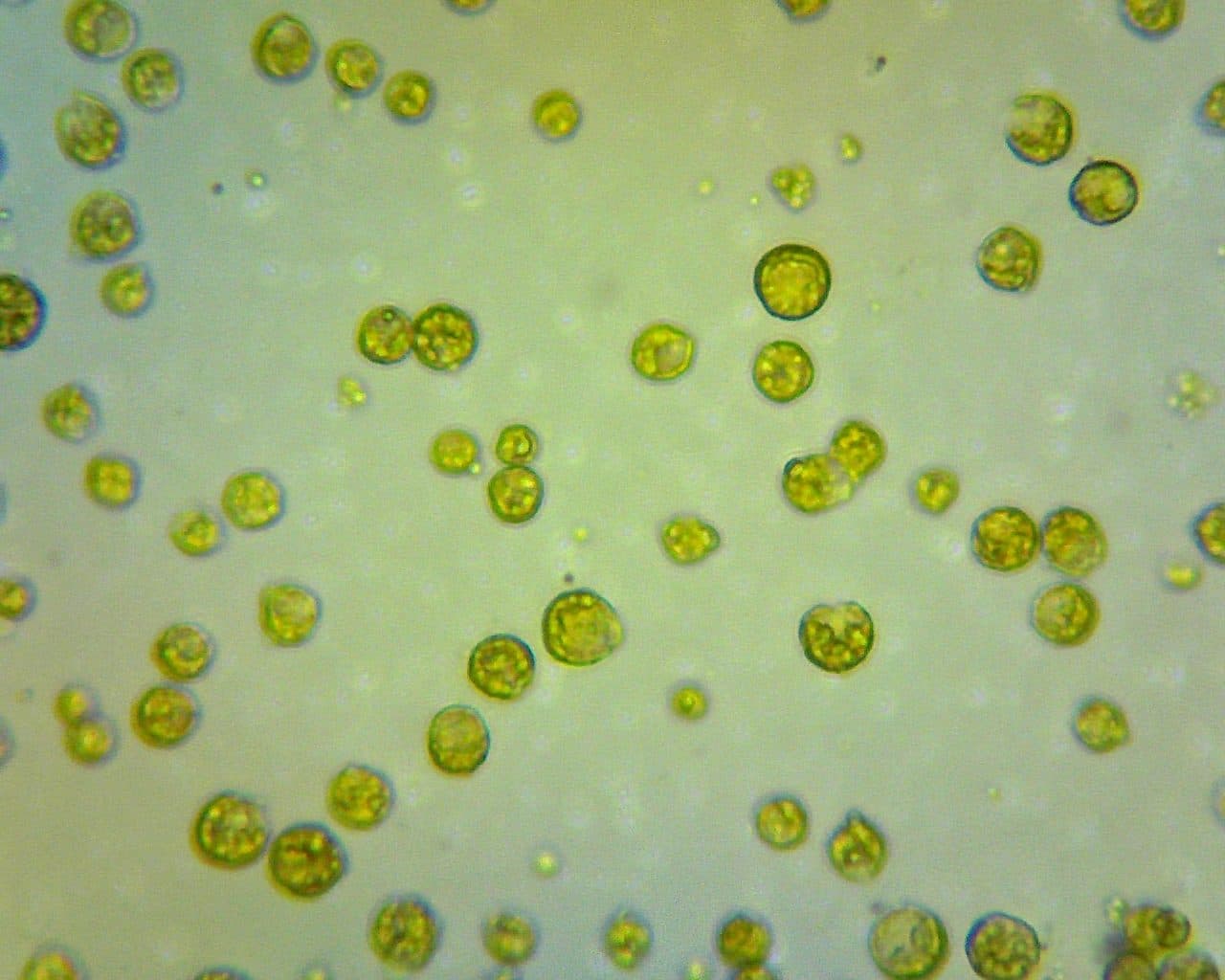
The limits of conventional feed
The microalgae grown in commercial shellfish hatcheries — species such as Tisochrysis lutea, Tetraselmis suecica, Chaetoceros calcitrans, and Pavlova lutheri — are all photoautotrophs. They build biomass from carbon and inorganic nutrients using light energy, which means their productivity is ultimately governed by the light available to each cell. As cell density rises, cells shade one another, and photosynthetically active radiation becomes the limiting factor. In practice, even a well-run culture of a species like Tetraselmis peaks near three million cells per milliliter — roughly 0.06 grams of biomass per liter, or a culture that is more than 99.9% water. That inefficiency is the root of the hatchery bottleneck.
Certain species circumvent the problem entirely. Crypthecodinium cohnii, a non-photosynthetic marine dinoflagellate, grows heterotrophically: in complete darkness, drawing energy from an organic carbon source such as glucose, by methods closer to those used to culture yeast or bacteria than conventional algae. Freed from any dependence on light, heterotrophic cultures can reach densities on the order of 50 grams per liter — nearly two orders of magnitude greater than the photoautotrophs currently used in hatcheries. C. cohnii is also notable for its nutritional profile: 30–50% of its fatty acid content is docosahexaenoic acid (DHA), the long-chain omega-3 essential to shellfish gametogenesis, larval growth, and early-life-stage development.
Study objectives
The project was designed as a controlled, range-finding evaluation with three objectives: to culture C. cohnii alongside conventional species under commercial hatchery conditions; to measure the rate at which shellfish larvae cleared each microalgae from suspension; and to measure the equivalent clearance and subsequent survival in post-set seed. Two strains of C. cohnii (ATCC 30556 and 30772) were compared against two species in standard hatchery use, Tetraselmis sp. (MC2) and Pavlova lutheri, with eastern oysters (Crassostrea virginica) and bay scallops (Argopecten irradians) as the target shellfish.
Culturing and growth
Each culture was scaled in stages from cryopreserved starter material through 15-milliliter flasks, 250-milliliter and 1-liter flasks, and finally 4-liter carboys. Photoautotrophic species were maintained in L1 medium under constant illumination; the heterotrophic C. cohnii strains were grown in a glucose- and yeast-extract-enriched medium (designated L1+) in constant darkness. All cultures were held at 20°C under continuous agitation on shaker tables, and cell densities were determined every 24 hours over a 120-hour period by manual hemocytometer counts.
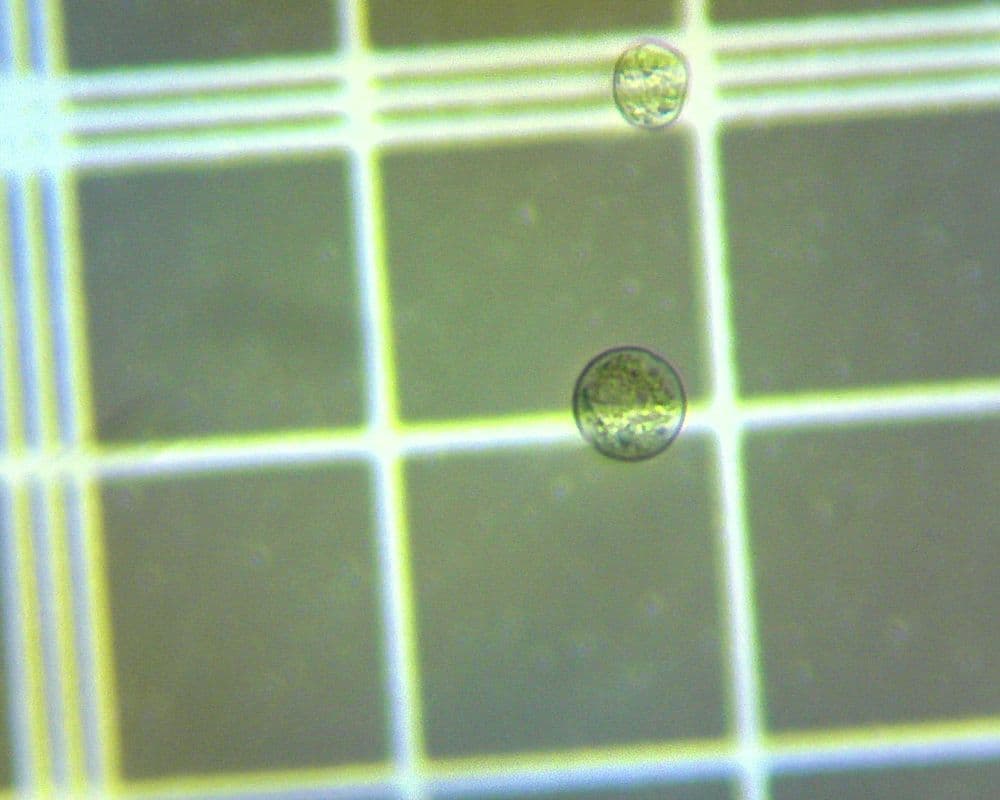
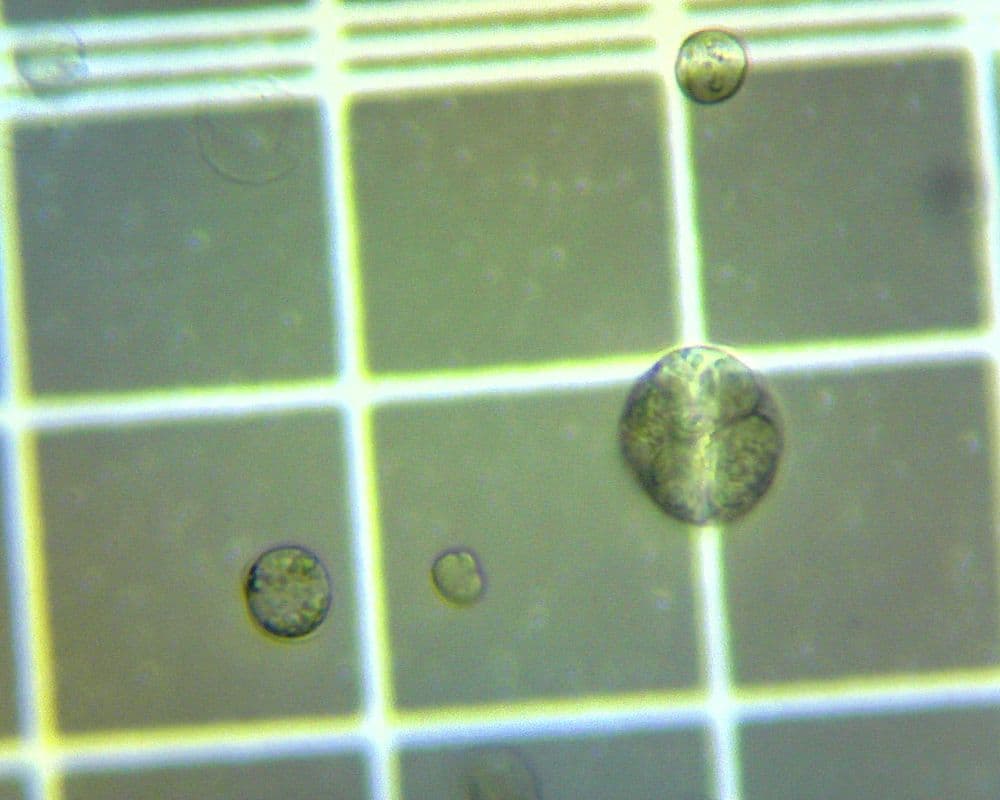
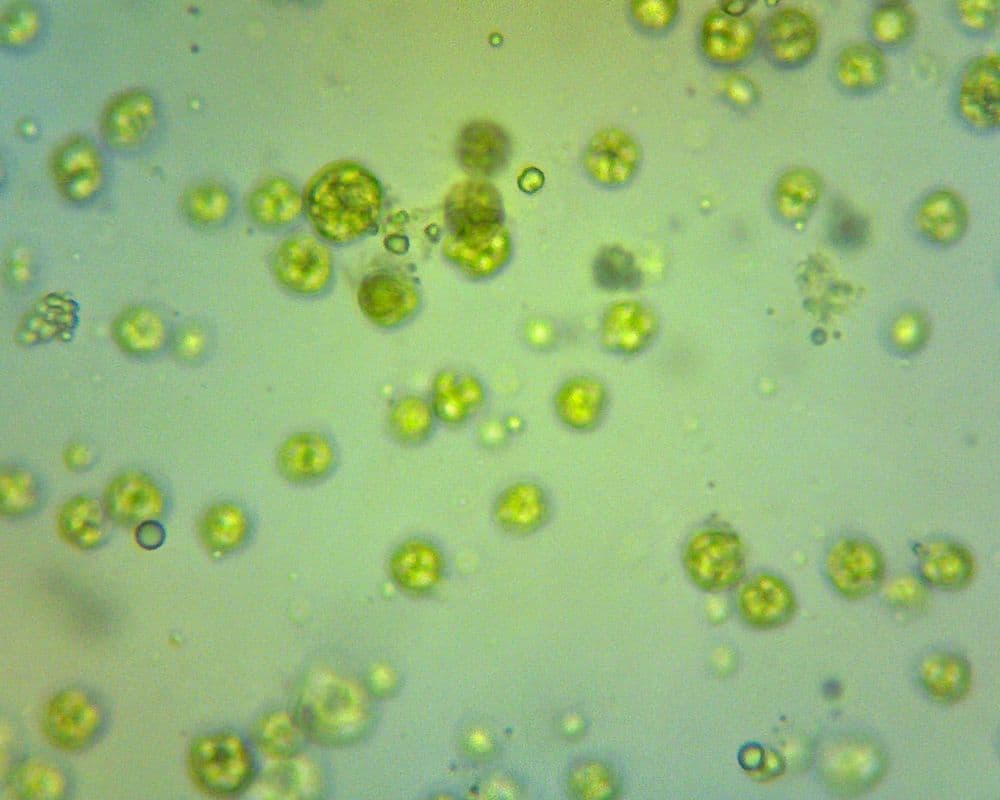
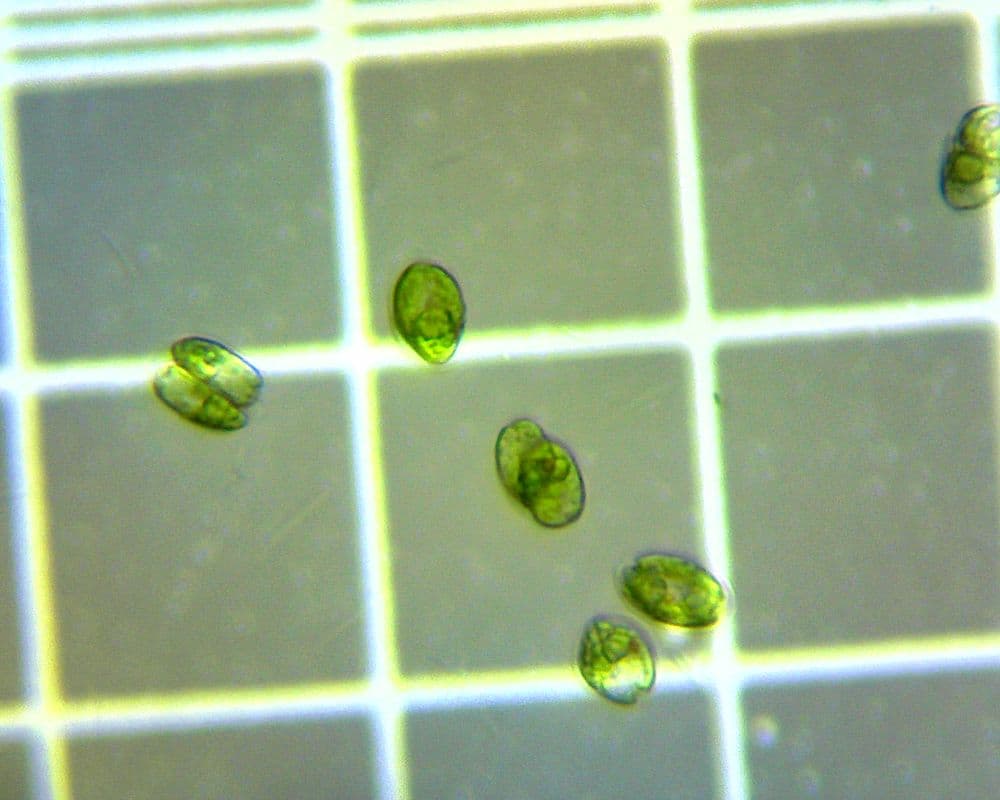
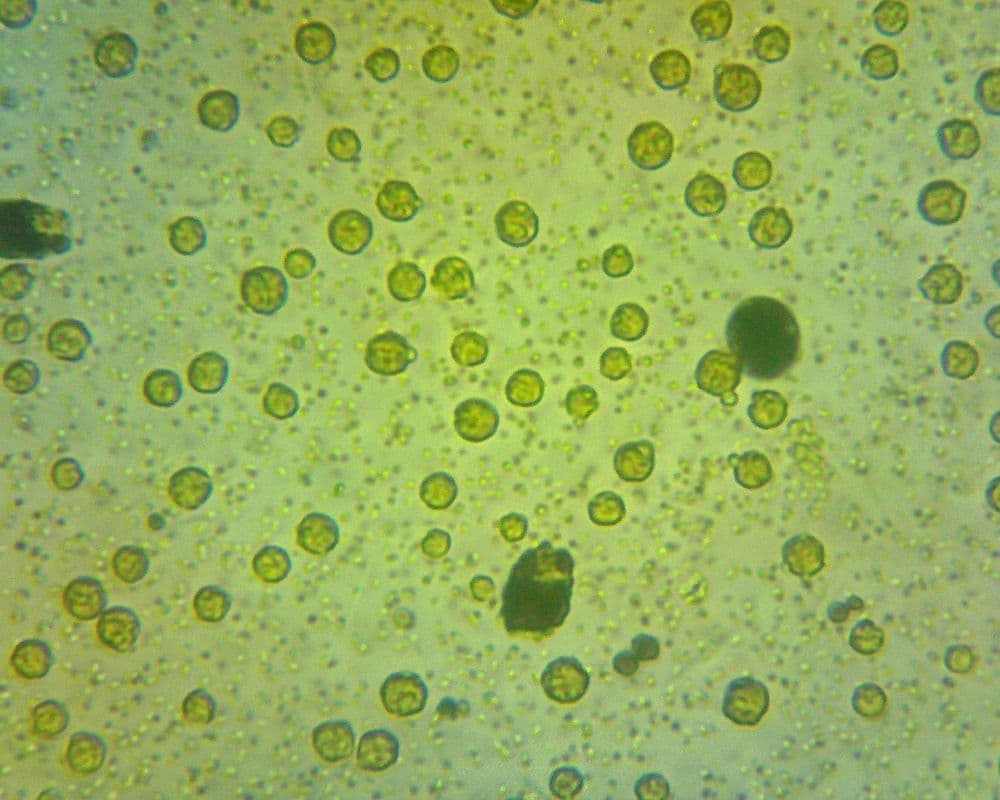
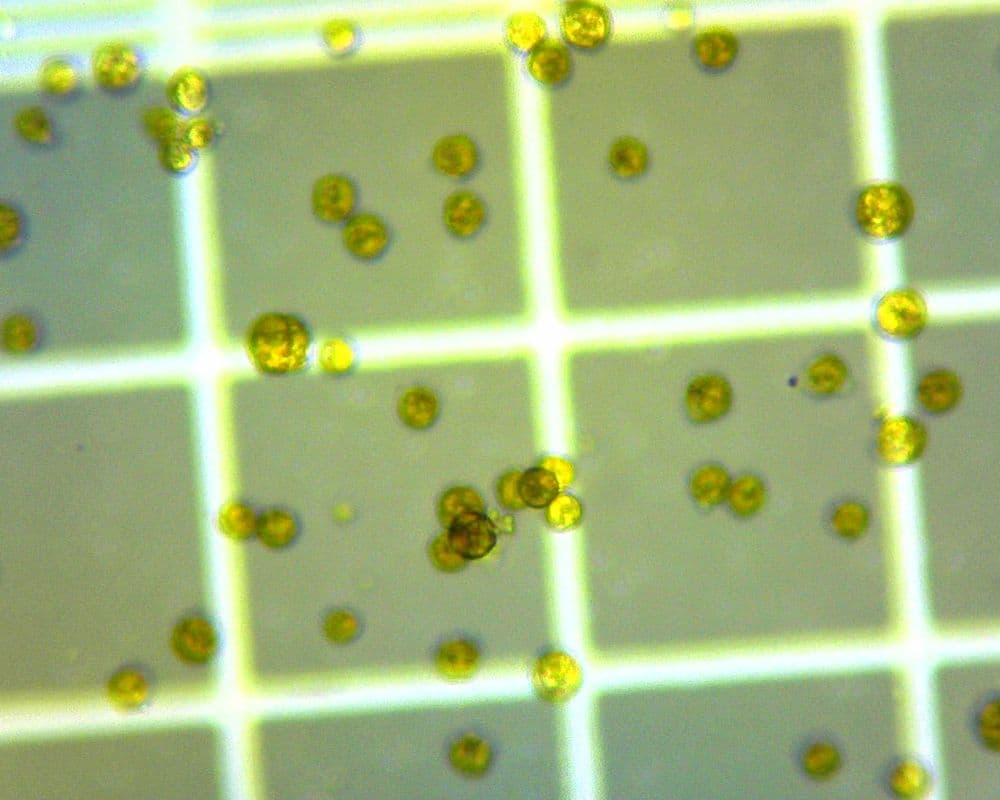
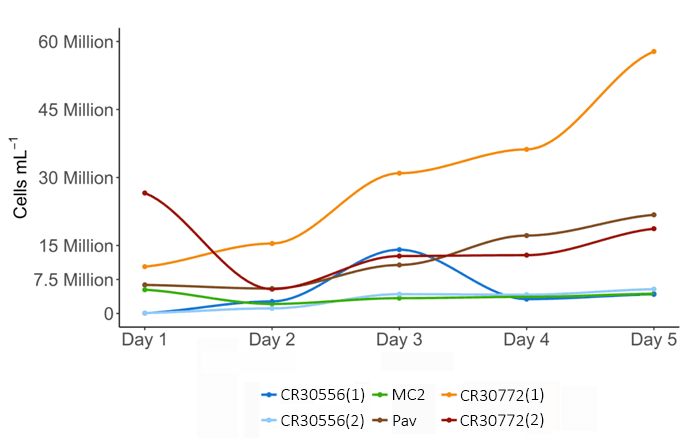
Cell density increased over time in every culture, confirming that the heterotrophic strains could be produced with the same equipment and workflow used for conventional species. The rate of increase, however, differed markedly. C. cohnii strain CR30772 grew fastest, at an estimated 9.5 million cells per milliliter per day, and the strain reached densities approaching 55 million cells per milliliter within 120 hours of inoculation — a biomass yield several orders of magnitude beyond what any photoautotroph in commercial hatchery use achieves in that time.
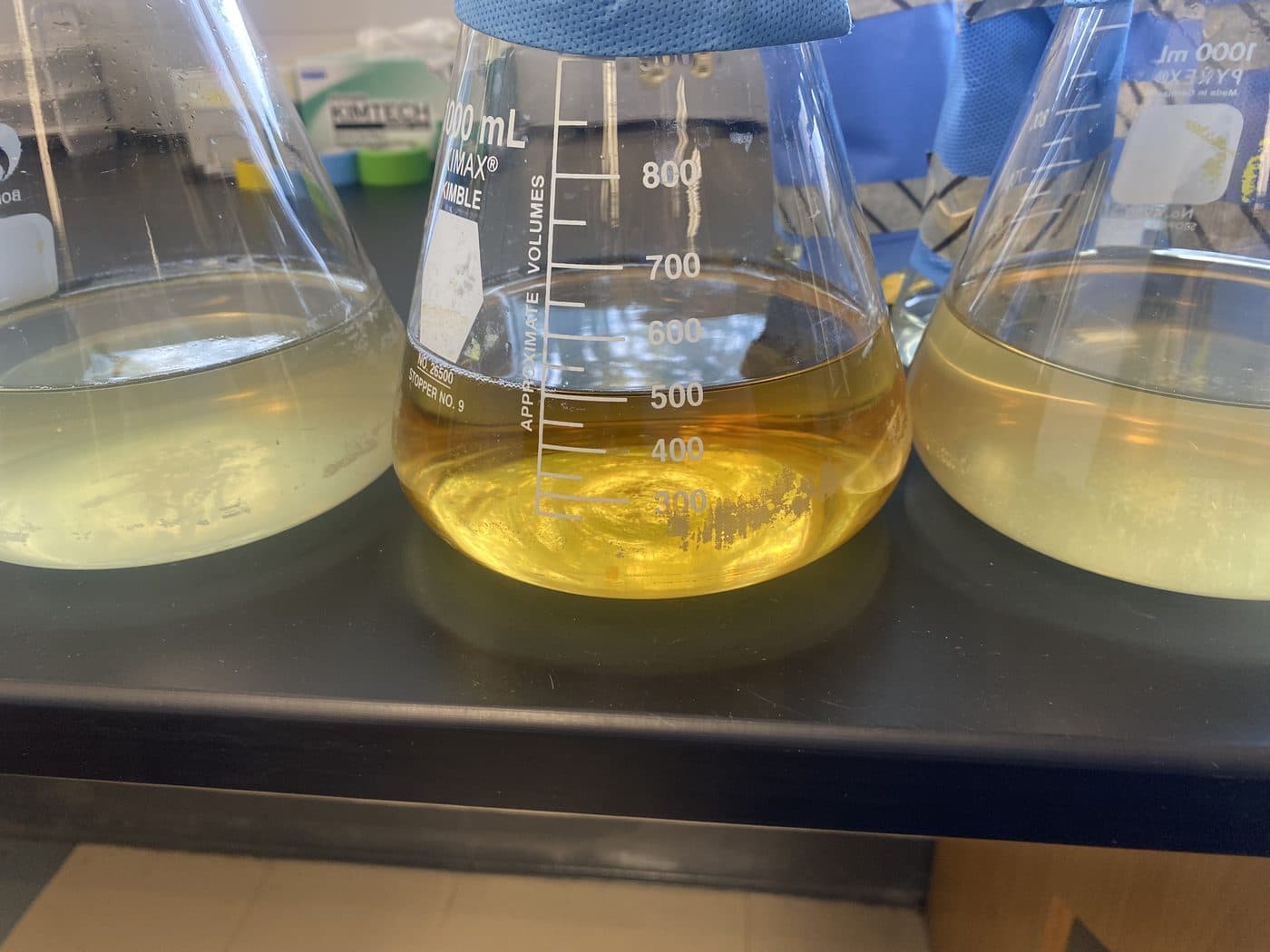
The heterotrophic cultures were grown in shaker flasks in the dark, a departure from the illuminated, aerated vessels used for conventional feed.
Nutritional profile
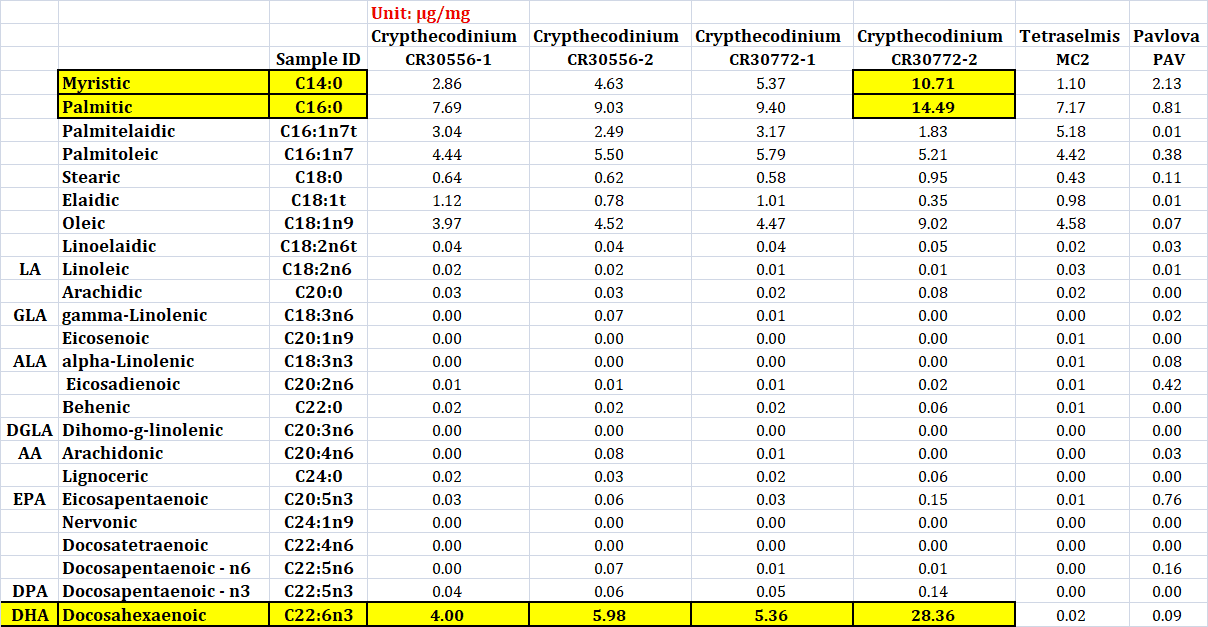
Because the fatty acid composition of any microalgae varies with culture conditions, all four cultures were analyzed by fatty acid methyl ester (FAME) analysis after being grown under commercial hatchery conditions rather than relying on published values. The differences were substantial, particularly among the biologically important polyunsaturated fatty acids. DHA content was negligible in the conventional species — 0.02 µg/mg in Tetraselmis and 0.09 µg/mg in Pavlova — but ranged from 4.0 to 28.4 µg/mg across the C. cohnii strains. The heterotrophic strains also carried significantly higher concentrations of myristic and palmitic acids.
Feeding trials
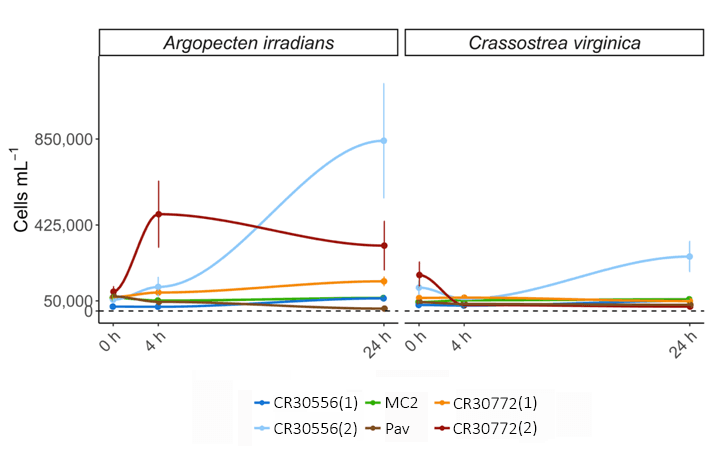
Density and nutrition are only relevant if shellfish will consume the cells. Twelve-day-old larvae of both species were presented each microalgae at 15,000 cells per milliliter, and post-set seed (minimum 600 µm shell height) at 30,000 cells per milliliter, in replicated 2-liter aquaria at 20°C. Clearance was quantified by measuring the change in suspended cell density at 0, 4, 12, and 24 hours, with statistical comparisons made across diet treatments and between species.
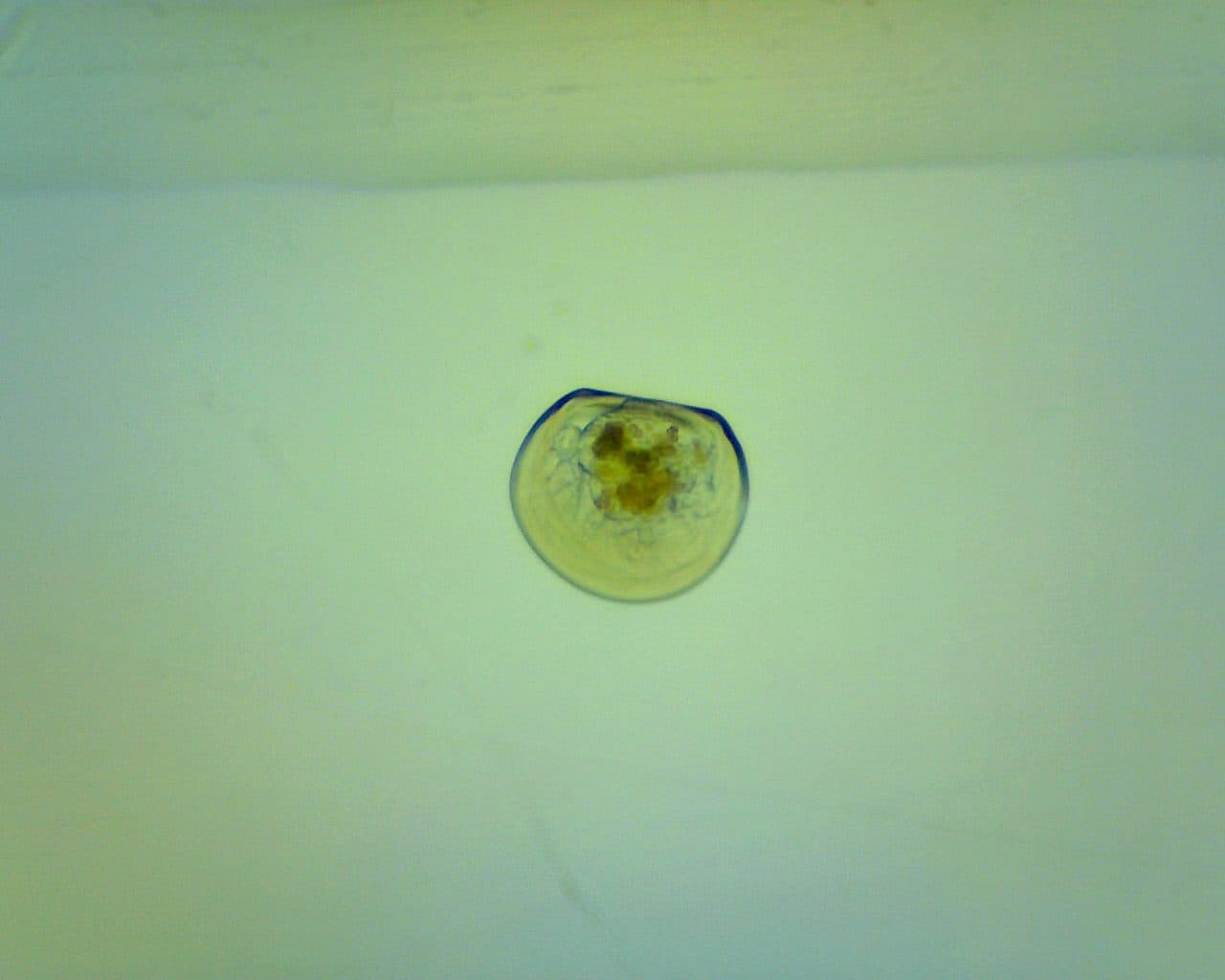
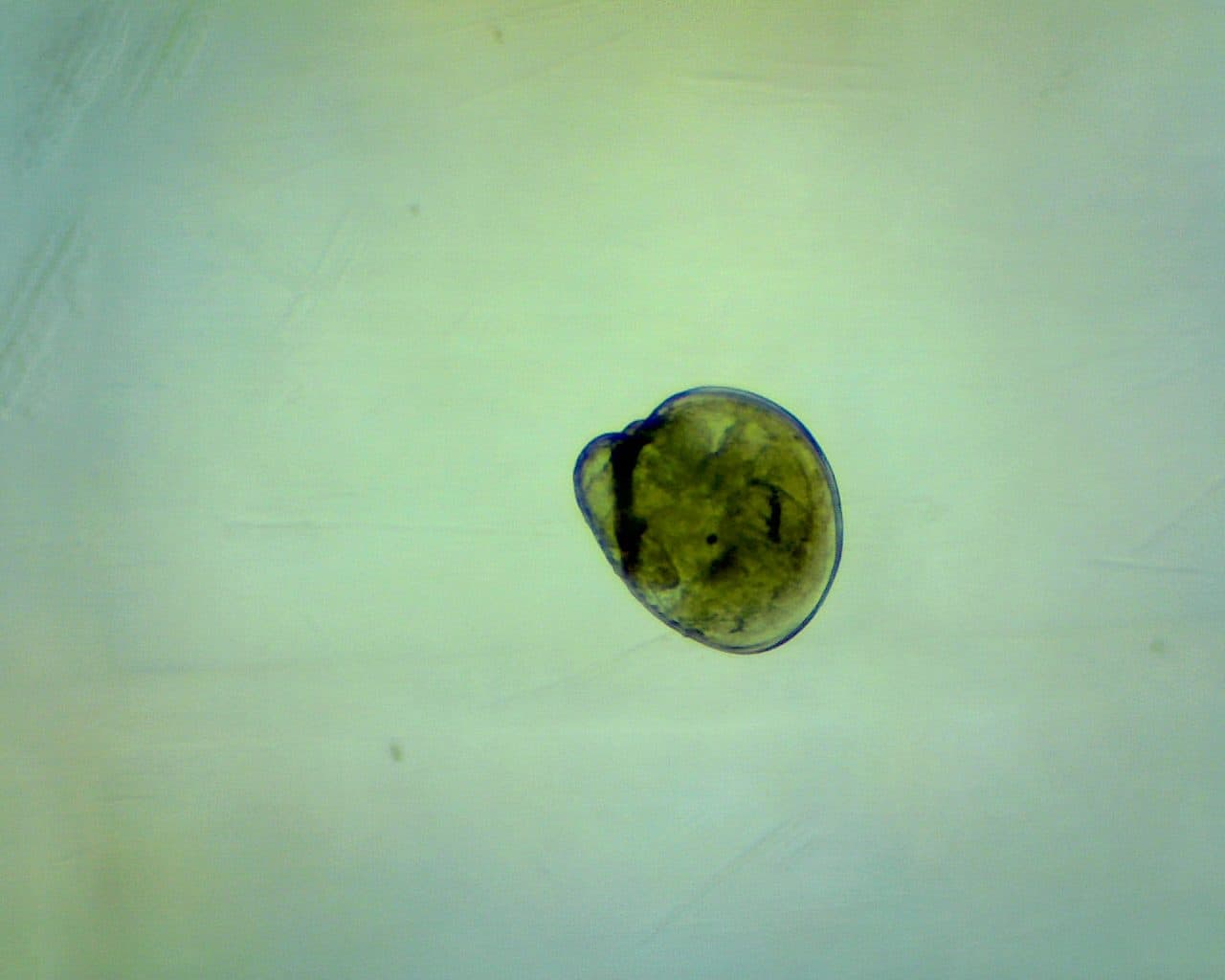
Both species filtered the heterotrophic cells at every life stage examined. Among larvae, microalgae species did not significantly affect clearance by bay scallops, whereas eastern oyster larvae cleared C. cohnii and Pavlova at significantly higher rates than Tetraselmis. Among post-set seed, several C. cohnii treatments were grazed as heavily as or more than the conventional feeds. The videos below show post-set animals actively filtering under the microscope.
Over the 24-hour post-set trials, the net change in suspended cells varied by shellfish species, by microalgae strain, and between life stages. In several C. cohnii treatments the shellfish drove cell densities well below their starting point, confirming active grazing on the heterotrophic cells.
Survival
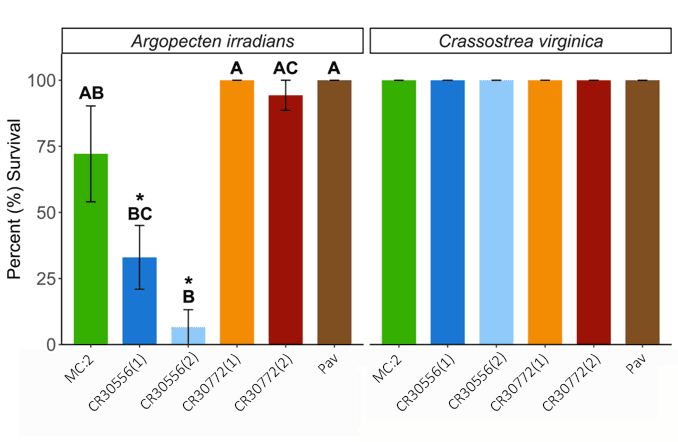
Survival following the 24-hour post-set feeding trials was high across nearly all treatments. Eastern oysters exhibited 100% survival on every diet, including both C. cohnii strains. Bay scallop survival was high on all treatments except strain CR30556, which produced significantly reduced survival relative to Pavlova and C. cohnii CR30772. No mortality was observed in any eastern oyster trial.
Conclusions
This study was intentionally scoped as a preliminary, range-finding evaluation: neither the culture methods nor the feeding regimens were optimized, and no commercial integration is warranted on the basis of these results alone. Its value lies in three findings that consistently held across strains and life stages. First, heterotrophic C. cohnii can be produced with existing hatchery equipment at biomass yields far beyond those of conventional photoautotrophs. Second, its fatty acid profile — particularly its DHA content — substantially exceeds that of the species currently in hatchery use. Third, both bay scallops and eastern oysters actively filter these cells as larvae and as post-set seed, with high survival.
Because the trials were conducted within a working commercial hatchery, by commercial hatchery staff, the results carry directly into industry practice rather than remaining confined to an academic setting. Meaningful adoption would require further work — optimizing media and feeding protocols, developing mixed-species diets, and adapting culture methods for volumes beyond 4 liters. Taken together, however, the findings establish that heterotrophic microalgae are a credible and promising direction for improving the efficiency, output, and economic resilience of shellfish seed production.
Acknowledgments
This work was funded by USDA Northeast SARE (award ONE24-464) and the Northeast Regional Aquaculture Center (NRAC). Starter cultures were provided by the American Type Culture Collection (ATCC) and NOAA's Milford Laboratory, and fatty acid methyl ester analysis was performed by Creative Proteomics.