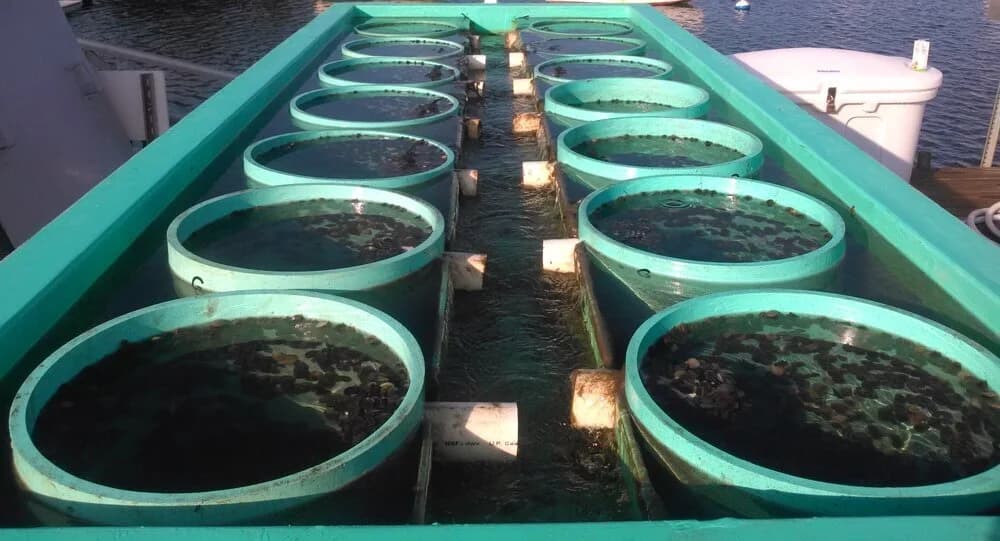
Ward Aquafarms has been partnering with local municipalities on and around Cape Cod, MA since 2016 to assist with their shellfish propagations programs. Since 2018, in partnership with the towns of Orleans, Dennis and Falmouth, Ward Aquafarms has raised shellfish with the goal of removing excess nitrogen from the ecosystem. Bioremediation is the removal of excess organic nutrient, such as nitrogen, via consumption by introduced or naturally occurring organisms. Excess organic nutrients can be a threat to both wildlife and humans, and is a common issue in populated coastal areas. In the bioremediation projects that Ward Aquafarms participates in, oysters and quahogs are used as bioremediating organism, in the sense that the oysters and quahogs naturally consume microalgae out of the water as their food sources. The microalgae species that oysters and quahogs consume are the consumers of the excess nitrogen. The oysters and quahogs are then available for harvest by recreational and commercial harvesters once the shellfish are of legal harvest size. Thus, the algae removes the nitrogen, the shellfish remove the algae, and then humans remove the shellfish. The final result is cleaner water and healthy food for harvest!
Bourne, MA:
Ward Aquafarms has partnered in propagation projects with the town of Bourne since 2016. Ward Aquafarms provides assistance during the nursery phase as well as deployment of bags during intermediate growout and bottom planting once the oysters, quahogs, bay scallops and soft shell clams have grown to a sufficient size.

Dennis, MA:
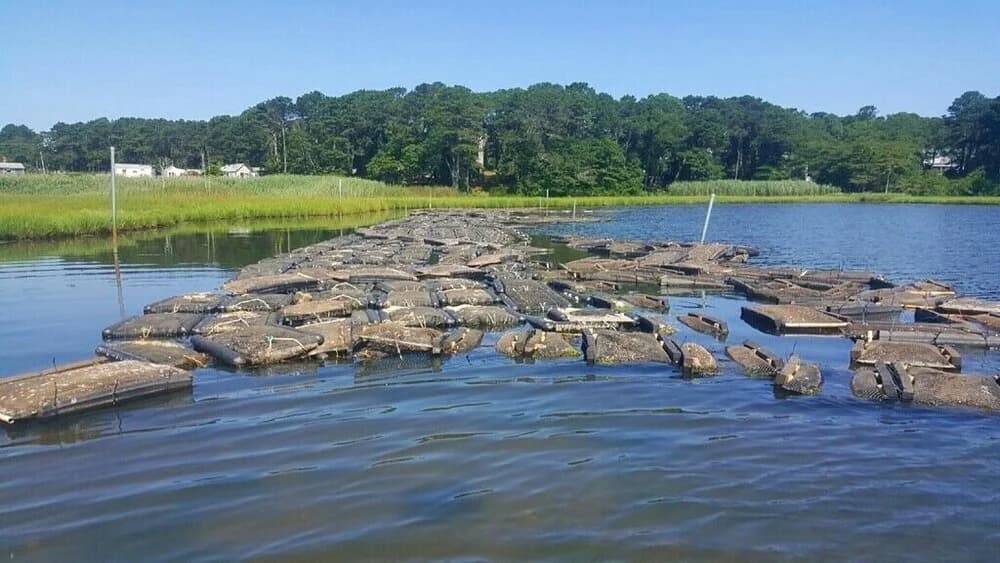
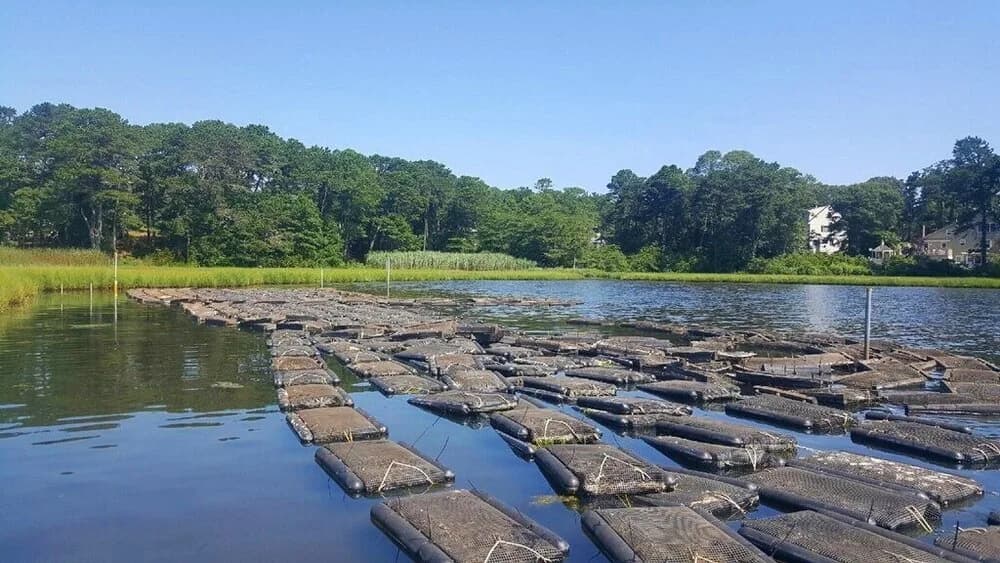
In 2019, Ward Aquafarms partnered with the town of Dennis to conduct a bioremediation project in Swan Pond. Swan pond has very high nitrogen levels, and therefore, excess microalgae (ie: oyster food). To assess if oysters could be a viable strategy to help reduce nitrogen levels in the pond, Ward Aquafarms deployed 500,000 oysters in June, 2019.
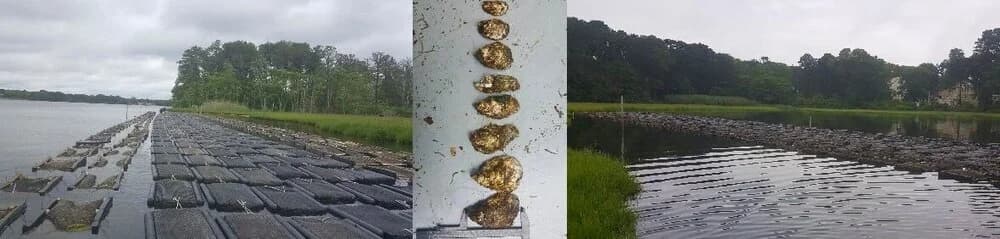
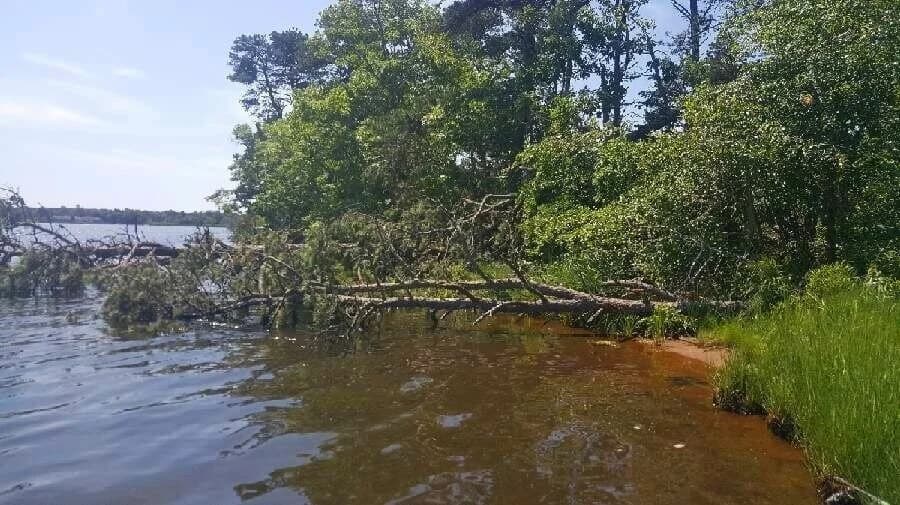
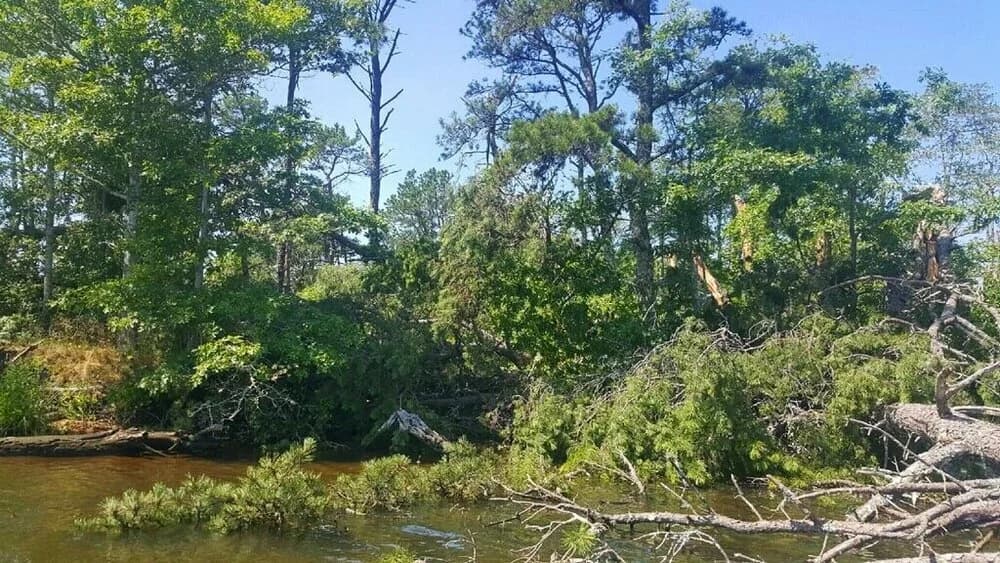
In August, 2019 a tornado came through the site on Swan Pond. Although entire lines bags full of oysters were picked up and tossed over each other and some lines were blown away, all bags were relocated on the pond and all the lines were placed back in their original location.
Orleans, MA:
Ward Aquafarms has been collaborating with the University of Massachusetts Dartmouth on commercial project in collaboration with the town of Orleans since May, 2019. In July and August of 2019, Ward Aquafarms deployed approximately 2,200,000 oysters in floating ADPI bags in Lonnie’s Pond.
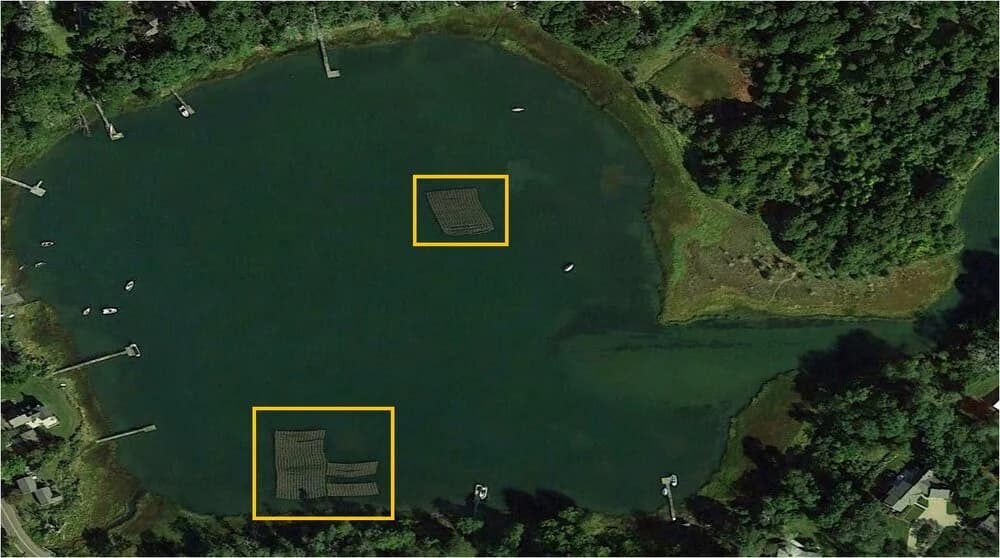
The first year of the project was a huge success. Ward Aquafarms managed the farming aspect of the project, tending to the oysters from May through December, 2019.
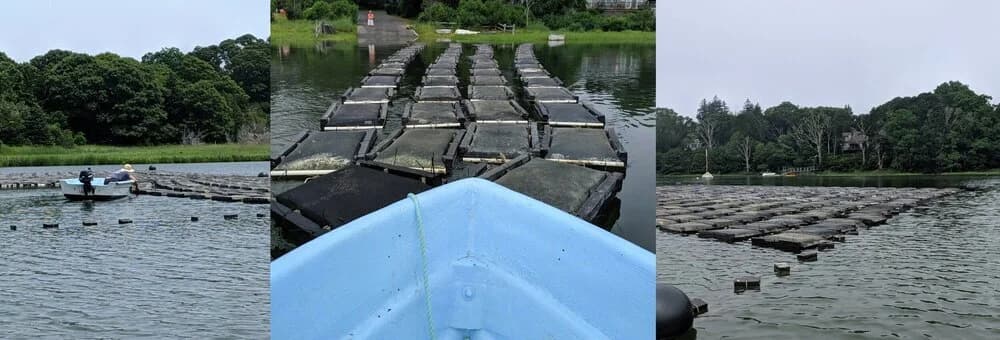
At the end of December, 2019 the oysters were removed from the pond for overwintering or for final grow-out at Ward Aquafarms location in Megansett Harbor in North Falmouth, MA.
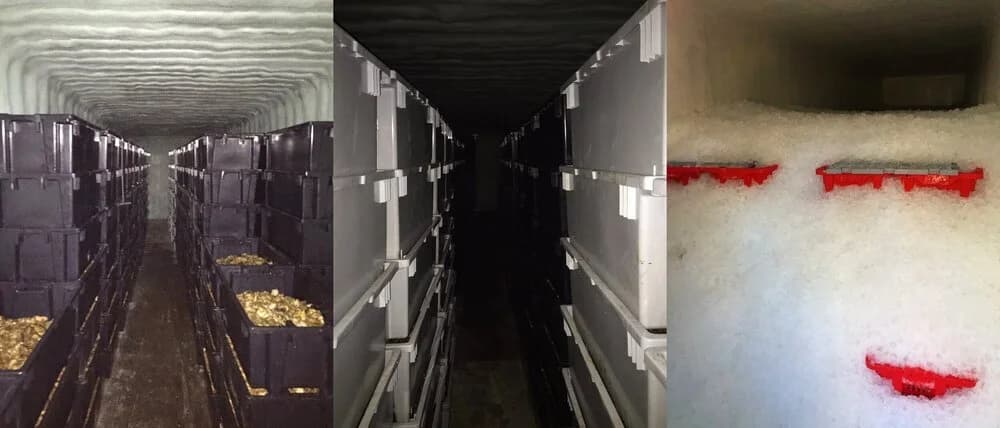
In April, 2020 Ward Aquafarms and the University of Massachusetts Dartmouth again deployed oysters at Lonnie’s pond to continue the town’s commercial project for another year after the successes of year one.
Falmouth, MA:
In May, 2020 Ward Aquafarms deployed their first round of oysters into the Eel River adjacent to Washburn Island in East Falmouth, MA. The oysters are part of multi-farm collaboration project with town of Falmouth to aid with excess nitrogen in the area while also producing oysters which the farmers can sell.
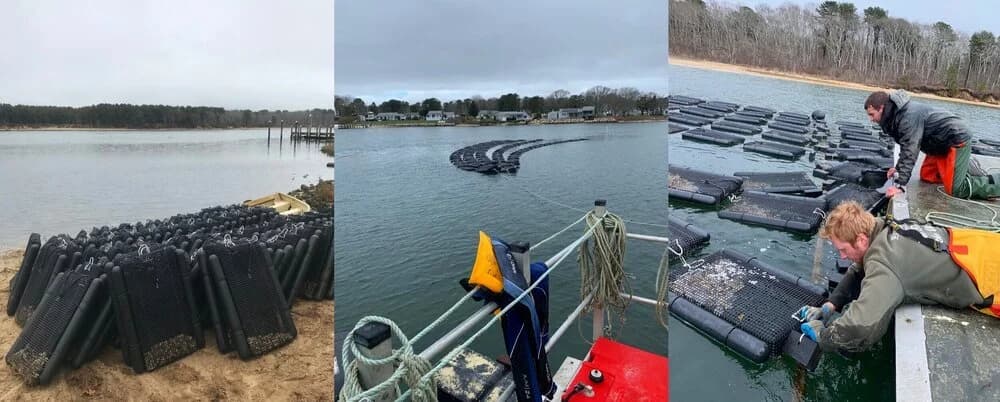
Landbased upwellers are being used by Ward Aquafarms to grow seed during the nursery phase. Once the oysters are of a sufficient size to be moved into grow-out bags, they will be transferred to the location on Eel Pond.